

Profit and Loss Statement for a Small Shop: Format and Example
Learn a simple profit and loss statement for small business owners, with a worked kirana-month example and how to build it from billing data.
Learn a simple profit and loss statement for small business owners, with a worked kirana-month example and how to build it from billing data.

Learn a practical safety stock formula for retail shops: simple max/avg method, service-level Z formula, lead-time variability, and how to set min and reorder levels in software.

FEFO vs FIFO explained for Indian shop owners: what each method means, where they give different answers with medicine and grocery examples, how to arrange shelves and how batch-wise billing keeps expiry losses down.

The GST registration limit for goods explained for Indian shop owners: the Rs 40 lakh and Rs 20 lakh thresholds by state, what counts as aggregate turnover, when registration is compulsory and whether to register voluntarily.

A neutral Tally vs Busy comparison for Indian businesses: accounting depth, inventory, GST and licensing, plus why many retailers add a POS-first billing system.

How to set a credit limit for customers in a retail or wholesale business: a simple formula, risk tiers, blocking bills over the limit and reviewing limits from payment history.

How to start a supermarket business in Kerala, step by step: choosing the format, the licences and registrations to apply for, budget heads, layout, suppliers, billing counters and an opening-day checklist.
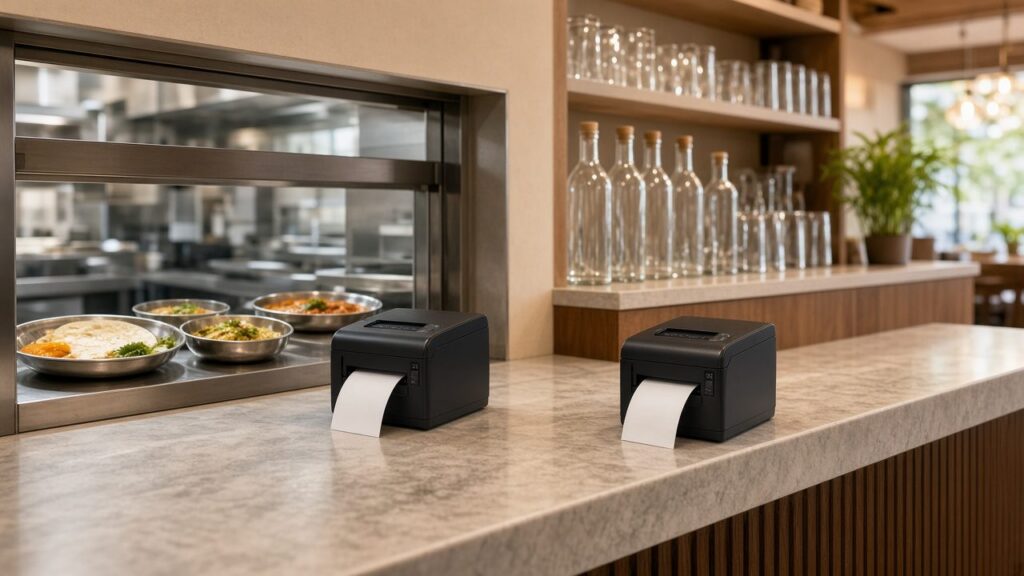
KOT and BOT difference explained for restaurant owners: what each ticket contains, how orders are routed to the kitchen and bar, how to control cancellations and how both tie to the final bill.

GST rate on restaurant food in India explained for owners: 5% without ITC for most restaurants, takeaway and cloud kitchens, 18% in specified hotel premises, food app orders under Section 9(5), and how to set tax classes in your POS.
A practical guide for Indian shop owners on how to set the selling price for a product: landed cost, cost-plus, competitor and MRP-based pricing, margin floors, rounding and keeping your price list updated.