
If you run a medical store, you have probably heard very different answers to one simple question: what is a fair pharmacy profit margin in India? A distributor talks about “20% on PTR”, a friend in the trade says generics pay better, and your own month-end cash tells a third story. This guide explains how margins are actually built on medicines, how price control limits them, why schemes and expiry change the real number, and how to calculate your own store’s profit honestly every month.
The numbers in the examples below are made up to show the method. They are not industry averages, and your margins will depend on your location, product mix, suppliers and how well you control stock.
Pharmacy profit margin in India: the terms you need first
Before comparing margins, make sure everyone in the conversation means the same thing. Most confusion in the trade comes from mixing these terms.
- MRP (maximum retail price) – the highest price printed on the pack. It includes GST, so it is not your revenue.
- PTR (price to retailer) – the rate at which the stockist or distributor bills you, before GST.
- PTS (price to stockist) – the rate at which the company bills the stockist. You rarely see it, but it sets the distributor’s margin.
- Selling price (net of GST) – what you actually keep from the customer after removing GST and any discount you gave.
- Gross margin – selling price minus purchase cost, usually shown as a percentage of the selling price.
Margin “on PTR” is not the same as margin on sales
Trade conversations usually quote margin as a percentage of PTR (that is really markup). Your profit and loss statement measures it as a percentage of sales. Say a strip costs you ₹100 (PTR) and you sell it for ₹120 excluding GST. That is a 20% markup on PTR, but your gross margin is ₹20 ÷ ₹120 = 16.7% of sales. Always convert to the second figure before you compare it with rent, salaries and other expenses. Our guide on markup vs margin explains this conversion with more examples.
How price control shapes medicine margins
Medicines are not like other retail goods. In India, the Drugs (Prices Control) Order, 2013 (DPCO), administered by the National Pharmaceutical Pricing Authority (see the Department of Pharmaceuticals note on ceiling prices), directly affects how much a chemist can earn on many products.
Scheduled formulations: the 16% retailer margin
For medicines listed in the First Schedule of DPCO, the government fixes a ceiling price. Under paragraphs 4 and 7 of the order, that ceiling price is worked out by adding a 16% margin to retailer on the average price to retailer. In simple terms:
- PTR (average): ₹100
- Ceiling price before GST: ₹100 × 1.16 = ₹116
- Your margin: ₹16, which is 16% on PTR but only about 13.8% of your selling price (₹16 ÷ ₹116)
That is the room you have on a scheduled medicine if you sell at the full ceiling price. Every rupee of customer discount comes straight out of that ₹16.
Non-scheduled medicines and the trade margin pilot
For non-scheduled medicines, manufacturers set their own MRP, but DPCO paragraph 20 does not allow them to raise it by more than 10% over the previous twelve months. Separately, in 2019 the NPPA capped trade margins at 30% for non-scheduled formulations of 42 anti-cancer medicines as a pilot “trade margin rationalisation” exercise (PIB release). The practical point for a store owner is this: margins on non-scheduled brands are set by the company and the distributor, not by law. That is why they vary so much from product to product.
Rules and lists change, so check the current NPPA notifications before you rely on any figure for a specific medicine.
Margin by product type: branded, generic, OTC and more
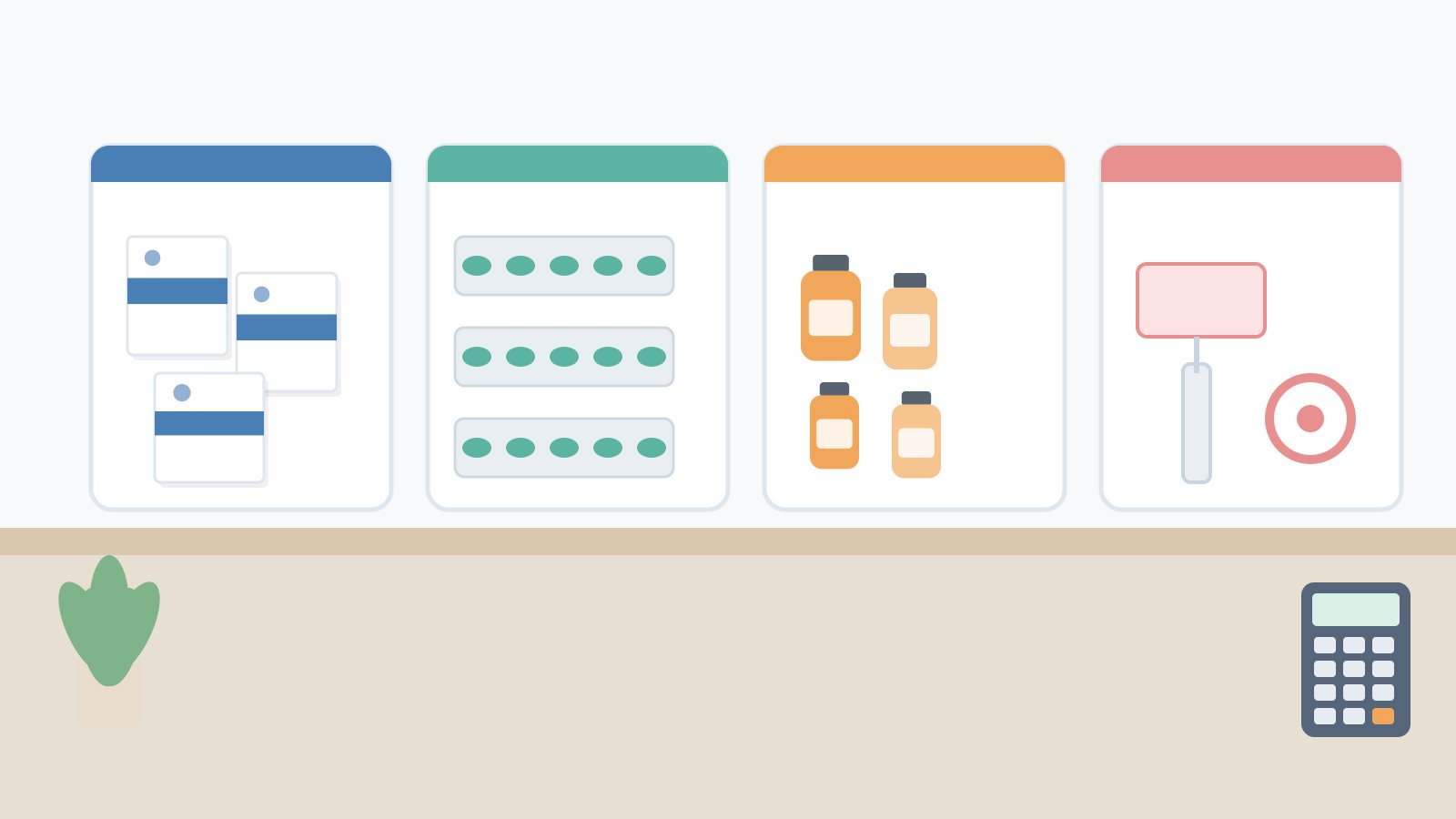
A medical store’s overall margin is a blend. The same shop can earn very different percentages on different shelves, so look at your margin category by category rather than as one number.
Branded prescription medicines
These drive footfall because doctors prescribe them by name. Many are scheduled or price-sensitive, customers compare MRPs across shops, and big chains offer discounts on them. Expect these to be your highest-volume but tightest-margin lines.
Generic and trade-generic medicines
Generic versions often have a wider gap between purchase rate and MRP, which is why distributors push them. But that margin only becomes profit if the stock actually sells. Generics are also where customers ask most about price, so a wide margin on paper can shrink once you discount.
OTC, wellness and personal care
Supplements, baby care, skin care and similar items behave more like FMCG retail. Margins and schemes vary widely by brand, and slow-moving SKUs can tie up a lot of money on the shelf.
Surgical items and consumables
Gloves, dressings, syringes, test strips and devices can be steady sellers, especially near clinics and hospitals. Purchase rates vary by supplier, so comparing rates before every reorder matters here.
An illustrative monthly view
Here is how a hypothetical medical store in Thrissur might look at one month, with all values excluding GST. The figures are invented for illustration only.
| Category | Sales (₹) | Cost of goods sold (₹) | Gross profit (₹) | Gross margin |
|---|---|---|---|---|
| Branded prescription | 4,20,000 | 3,57,000 | 63,000 | 15.0% |
| Generic prescription | 1,10,000 | 77,000 | 33,000 | 30.0% |
| OTC and wellness | 90,000 | 67,500 | 22,500 | 25.0% |
| Surgical and consumables | 40,000 | 30,000 | 10,000 | 25.0% |
| Total | 6,60,000 | 5,31,500 | 1,28,500 | 19.5% |
Notice how the store’s overall margin is pulled towards the branded figure because that is where most of the sales are. Selling a little more generic or OTC stock changes the blended margin more than chasing an extra percent on a branded line.
What customer discounts really cost
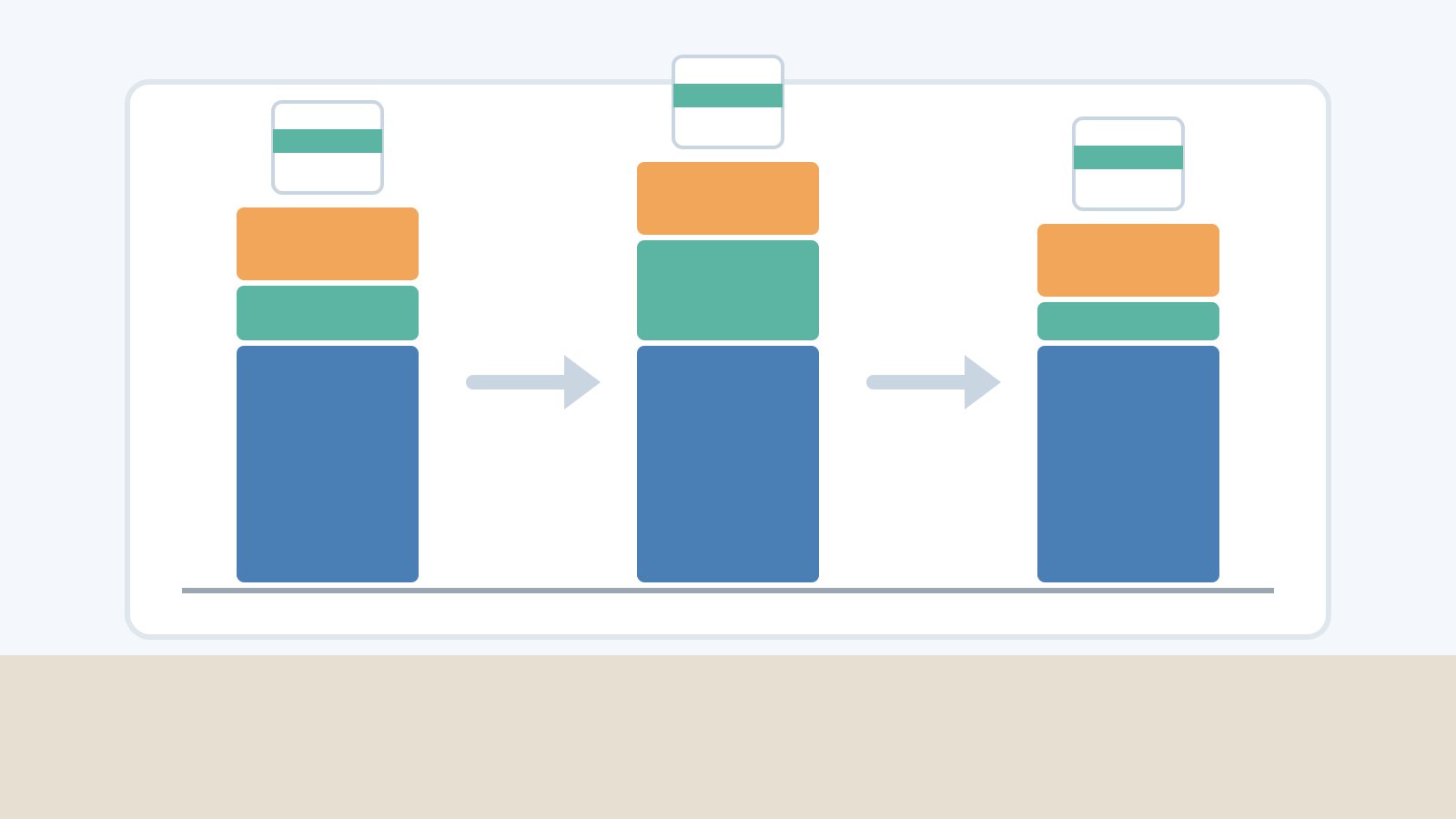
Go back to the scheduled medicine with a ₹116 ceiling price and ₹100 PTR. If you give a flat 10% discount, you sell at ₹104.40. Your margin falls from ₹16 to ₹4.40, which is about 4.2% of the selling price. A “small” discount has taken away almost three-quarters of your gross profit on that item. Before you match a chain’s discount, work out what it does to each category’s margin.
Distributor schemes: free goods, cash discounts and their traps
Schemes are a big part of how chemists earn. They are also the easiest way to overstate margin.
How a free-goods scheme changes your cost
Suppose a product has a PTR of ₹50 a strip and comes with a “10 + 1” scheme. You pay ₹500 for 11 strips, so your effective cost is ₹45.45 a strip. If you sell each strip at ₹62 (excluding GST):
- Without the scheme: ₹12 profit a strip, or 19.4% of sales
- With the scheme, if all 11 strips sell: ₹682 sales − ₹500 cost = ₹182, or 26.7% of sales
- With the scheme, if 2 strips expire unsold: ₹558 sales − ₹500 cost = ₹58, or about 10.4% of sales
The scheme only helps if you can sell the extra stock before it expires. Buying a bigger lot to get a better scheme on a slow mover often ends in exactly the third line.
Cash discounts and credit days
Some distributors offer a cash discount for early payment. It is real profit, but it competes with your working capital. If you take a discount by paying early and then run short of money for fast movers, you lose more in missed sales than you save. Record cash discounts separately so you can see what they add each month.
Expiry losses and stock rotation: where margin quietly disappears
A medicine that expires on your shelf does not just lose its margin. If you cannot return it, you lose the full purchase cost too. Return terms for expired or near-expiry stock differ between companies and distributors, so never assume a product is returnable.
A practical expiry routine
- Record batch and expiry at purchase entry. If expiry dates are not in your system, you cannot manage them.
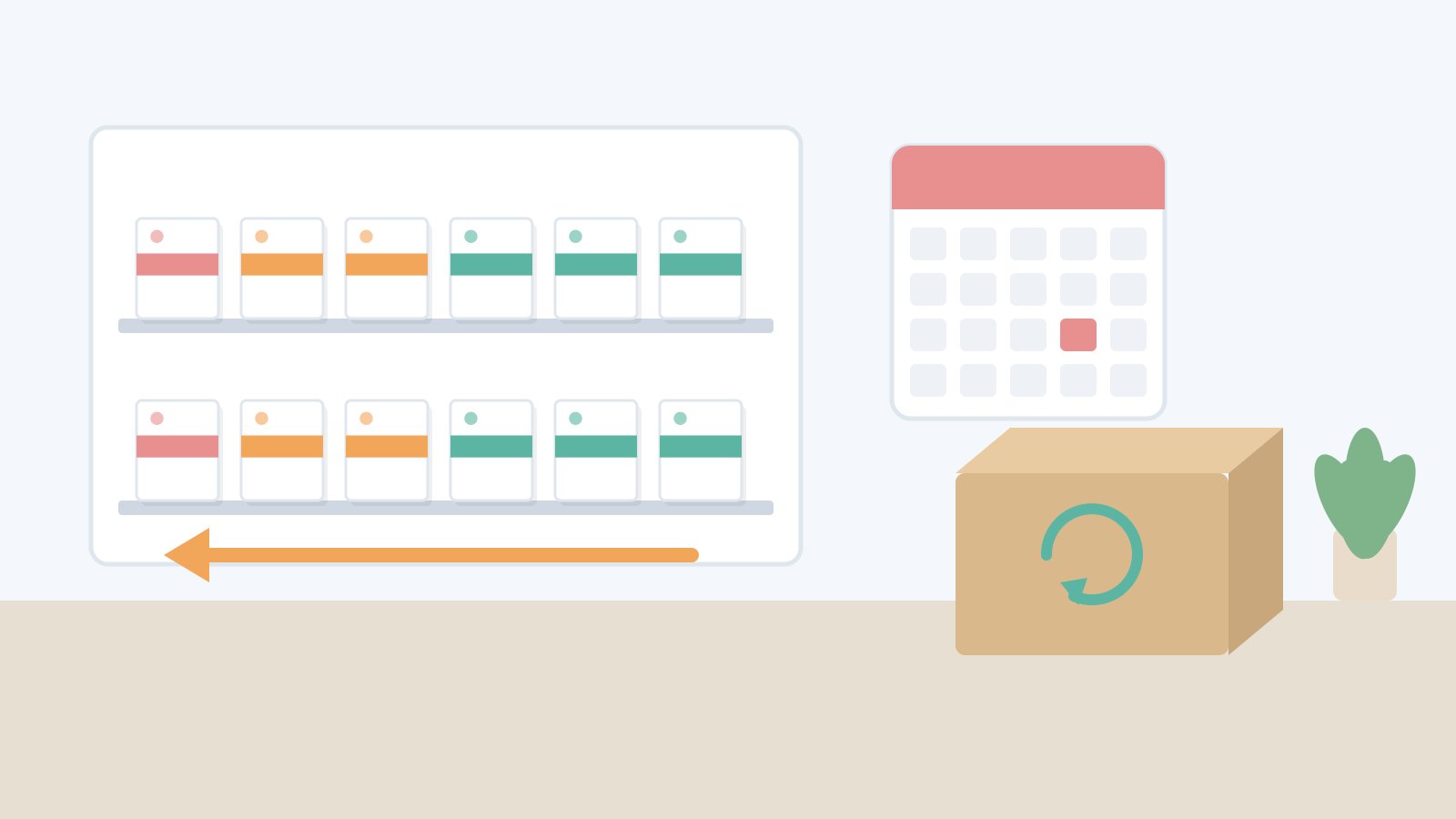
- Sell first-expiry-first-out (FEFO). Keep the earliest-expiring batch at the front and make sure your billing picks that batch.
- Run a near-expiry report every month. Look at what will expire in the next 60–90 days, depending on your supplier’s return window.
- Act on the list. Return what you can, move stock between branches, or stop reordering slow lines.
- Write off honestly. Record expired, damaged and returned stock so your margin report reflects reality.
Our post on dead stock management covers how to find and clear slow movers before they turn into expiry losses.
How rotation changes real profit
Two stores can have the same gross margin on paper and very different bank balances. A store that turns its stock quickly earns that margin more often on the same money, and has less stock sitting near expiry. A store with heavy, slow inventory earns the same percentage less often and loses more to write-offs. When you review margin, look at how many days of stock you are holding in each category as well.
A monthly routine to know your real pharmacy profit
- Pull sales by category, excluding GST and after customer discounts.
- Calculate cost of goods sold using actual purchase cost, including free goods. Opening stock plus purchases minus closing stock is the simplest check.
- Subtract expiry and damage write-offs that were not returned.
- Add cash discounts and any scheme credits received.
- Compare gross profit with rent, salaries (including the pharmacist), power and other running costs to get net profit.
- Note the three products with the biggest discount and the three with the biggest expiry loss, and decide what to change next month.
Done every month, this tells you far more than any “average pharmacy margin” figure. If you are still setting up, our guide on how to start a medical shop in Kerala covers licences and opening stock.
Let your billing software do the margin maths
Doing all of this on paper is hard when you have thousands of SKUs and batches. A pharmacy-ready billing system should record batch and expiry at purchase, pick the right batch at the counter, warn you about low stock and near-expiry items, and give you GST-ready bills and item-wise reports. Read how this works in our guides to pharmacy ERP software in India and medical store billing software.
Caddayn Biller and the Caddayn Pharmacy ERP support GST billing, batch and expiry tracking, low-stock alerts, barcode billing and UPI, card and cash payments, on both Windows and the web. Download Caddayn Biller and check your own margins by category this month.
Frequently asked questions
What is the retailer margin on price-controlled medicines in India?
For scheduled formulations under DPCO 2013, the ceiling price includes a 16% margin to retailer calculated on the price to retailer. As a share of your selling price before GST, that works out to about 13.8%, and less if you give discounts.
Do generic medicines give a higher profit margin than branded ones?
They often have a wider gap between purchase rate and MRP, but the real profit depends on whether they sell before expiry and how much discount customers expect. Track generic margin separately after discounts and write-offs.
Should I calculate pharmacy margin on PTR or on MRP?
Neither, for your accounts. Use your actual selling price after discount and excluding GST, and your actual cost after schemes. Margin on PTR is a markup figure and will always look higher.
How do I reduce expiry losses in my medical store?
Record batch and expiry at purchase, sell first-expiry-first-out, review near-expiry stock monthly, return what your suppliers accept, and avoid overbuying slow movers just to get a scheme.
Is my pharmacy profitable if the gross margin looks good?
Not necessarily. Gross margin is before rent, salaries, power and other costs. Subtract those every month to see net profit, and watch how many days of stock you are holding.
This article is general information for store owners, not legal, pricing or tax advice. Check current NPPA notifications and talk to your accountant for decisions specific to your business.