
Kerala loves its bakeries. From the plum cake rush in December to the evening queue for puffs, cutlets and tea cakes, a well-run bakery can become the busiest shop on the street. If you are planning one, this guide on how to start a bakery business in Kerala takes you through the decisions that matter: which model to choose, the licences you need, the equipment list, shelf-life planning, pricing and billing. It is written for first-time owners and for families who already run a small shop and want to add baking.
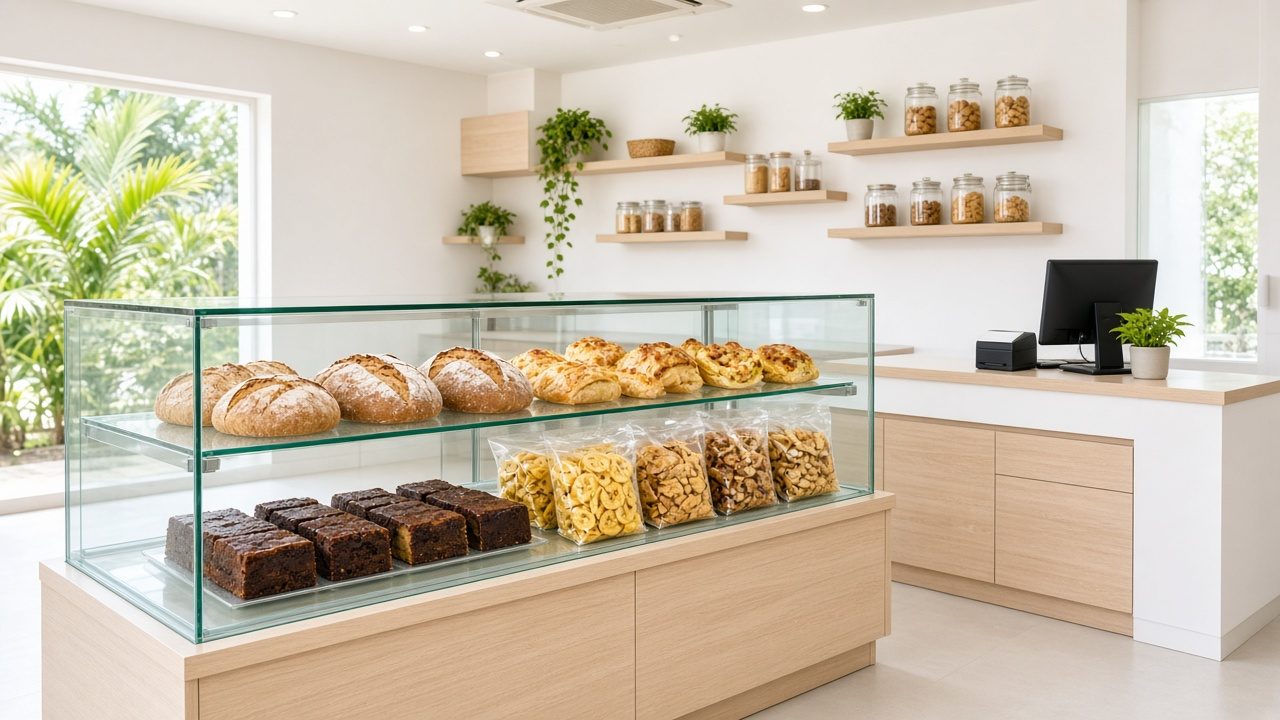
Choose your bakery model first
Most mistakes in a new bakery come from mixing up three very different businesses. Decide which one you are building before you sign a rent agreement.
1. Retail bakery with a counter (buy-in model)
You run a sales counter and buy most items from a production unit or several suppliers: bread, rusk, cakes, puffs, snacks and packaged sweets. Your skills are buying, display and fast billing. Space needs are small, but your margin depends on supplier terms, and you carry the risk of unsold items unless the supplier takes back returns.
2. Bake-and-sell bakery (production plus counter)
This is the classic Kerala “bakery and cool bar” format. You bake some or all of your products behind the shop, often adding juices, shakes and snacks. You control taste and freshness, and that is what brings people back. You also take on a kitchen, staff, gas or electricity load, food safety checks and a lot more daily planning.
3. Production unit supplying shops
You bake in volume and supply bread, rusk, cakes or snacks to other bakeries, supermarkets, canteens and caterers. The work looks more like a small factory: packaging, labelling, route deliveries, credit to retailers and returns. Turnover can grow faster, but so does the working capital you have to lock up in credit.
A simple way to decide: if your strength is the product, start with bake-and-sell. If your strength is location and customers, start with a retail counter. If you already have shop contacts, consider production. Many owners start with a small counter, learn what sells, and add an oven later.
Licences and registrations for a bakery in Kerala
The exact list depends on your local body and your model, so treat this as a checklist to discuss with your consultant or the local office, not legal advice.
- FSSAI registration or licence: every food business needs one. Under FSSAI’s order dated 13 March 2026, from 1 April 2026 a turnover up to Rs 1.5 crore needs registration, above Rs 1.5 crore up to Rs 50 crore needs a State licence, and above Rs 50 crore a Central licence. You apply on FoSCoS. Check the kind of business (manufacturer, retailer or both) carefully, because a bake-and-sell unit is a manufacturer as well as a seller.
- Trade licence (D&O licence) from the local body: your panchayat, municipality or corporation issues it. Urban bodies use the K-SMART system. Bakeries with ovens and mixers may be asked for building suitability and, depending on the machinery’s power load, a consent or no-objection from the Pollution Control Board.
- GST registration: needed once your turnover crosses the threshold, or earlier if you sell to businesses that want tax invoices. See our guide on the GST registration limit for goods. Bakery items fall under different rates by product, so ask your accountant to confirm the HSN code and rate for each item before you set up billing.
- Shops and Establishments registration: under the Kerala Shops and Commercial Establishments Act, once you employ staff.
- Legal Metrology: if you sell pre-packed bread, rusk or cookies, the pack label needs the declarations required under packaged commodities rules, and your weighing scale must be stamped and verified.
- Fire and electrical safety: ovens, LPG cylinders and heavy wiring attract inspections. Keep a fire extinguisher and get your wiring checked by a licensed electrician.
Keep copies of your ID, rent agreement, building ownership or NOC, a layout sketch and the list of food items in one folder. Almost every application asks for the same set.
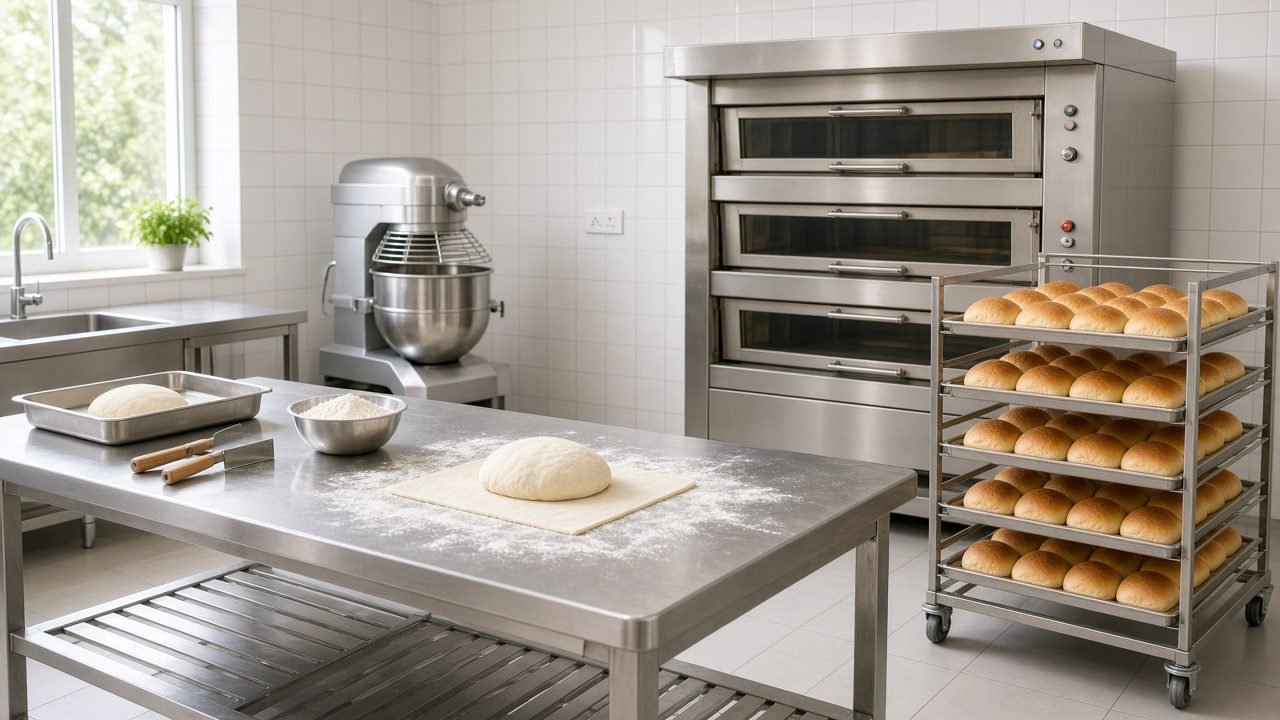
Equipment list for a small bakery
Buy for the menu you will actually sell in the first six months, not the menu you dream of. A typical starting list for a bake-and-sell unit:
Production side
- Deck oven or rotary rack oven (deck ovens suit small batches of bread, puffs and cakes)
- Planetary mixer for cream and batter, and a spiral mixer if you bake bread daily
- Dough sheeter if puffs and pastries are a major line
- Stainless steel worktables, baking trays, cooling racks and moulds
- Proofing cabinet for consistent bread rising in Kerala’s humid weather
- Refrigerator and deep freezer for cream, butter and frozen dough
Sales counter side
- Glass display counters, including a chilled display for cream cakes
- A stamped digital weighing scale for loose snacks, sweets and halwa
- Billing computer or POS terminal, thermal receipt printer and barcode scanner
- Label printer if you pack your own products
- UPI QR stand and card machine
Get at least two written quotations for the oven and mixers, check service support in your district, and ask how quickly spares arrive. A broken oven during the Christmas cake season costs more than any discount you got at purchase.
Plan shelf life before you plan the menu
Unsold stock is the silent profit killer in bakeries. Bread, cream cakes and puffs have short lives; rusk, cookies and banana chips last longer. Group your items by how long they stay fresh:
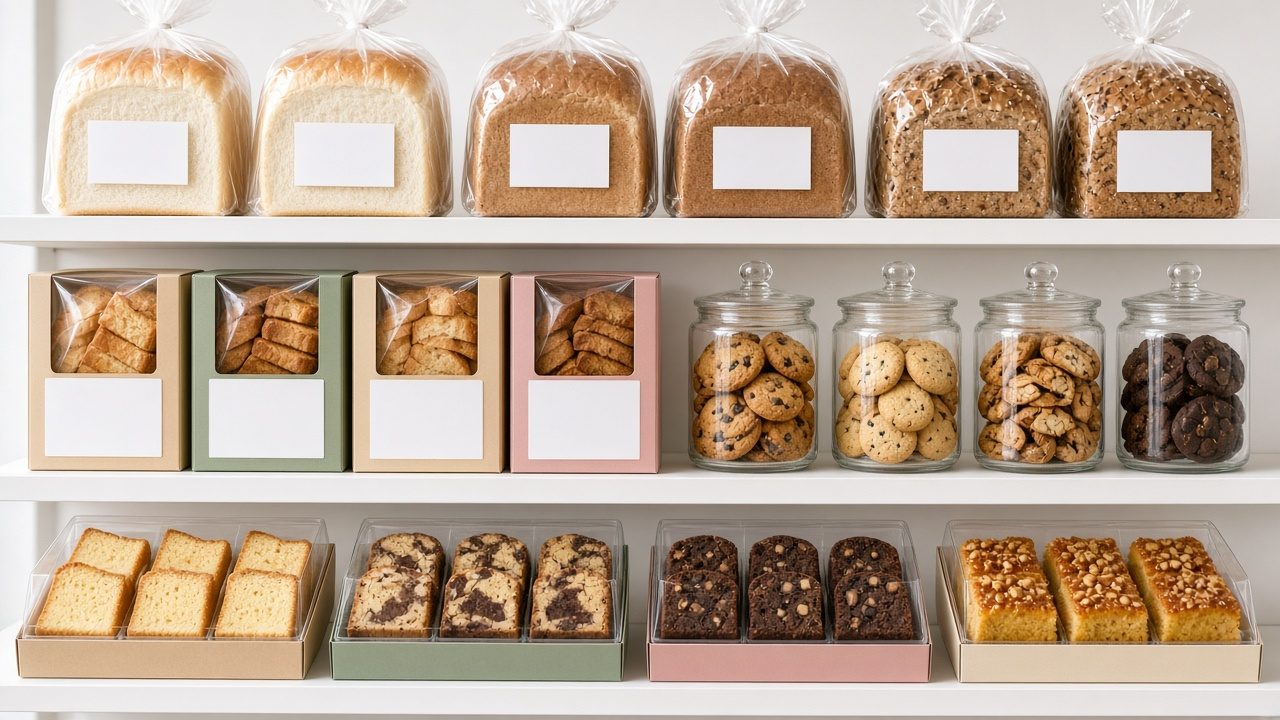
- Same day: puffs, cutlets, samosas, fresh cream pastries. Bake in two or three smaller batches instead of one big morning batch.
- Two to four days: bread, buns, tea cakes, plain cakes. Rotate them so the older stock is sold first.
- Weeks or more: rusk, cookies, chips, sealed plum cakes. Track batch dates and use first-expiry-first-out, as explained in our FEFO vs FIFO guide.
An illustrative example (made-up numbers): a small Thrissur bakery bakes 60 egg puffs every morning but usually sells about 40 by 2 pm and the rest after 5 pm, with 10 left over most days. Moving to two batches, 40 in the morning and 25 at 4 pm, would cut waste without leaving the evening customers empty-handed. You can only make that call if your billing shows hourly item sales, which is why the billing setup below matters.
Pricing your bakery products
Price from your costs, not just from the shop next door. For every item you bake, write down the recipe cost per piece or per kg (flour, sugar, fat, eggs, cream, packaging), then add a share of gas or power and labour. Our guide on how to calculate food cost percentage walks through the method with examples. A few practical rules:
- Recalculate whenever butter, cream or egg prices move, because they swing more than flour.
- Price festival items such as plum cakes separately and plan their raw material early.
- For items bought in from suppliers, track the purchase price on every invoice so a quiet supplier increase does not eat your margin.
- Decide which items are sold per piece and which by weight, and keep that consistent on the counter and in the system.
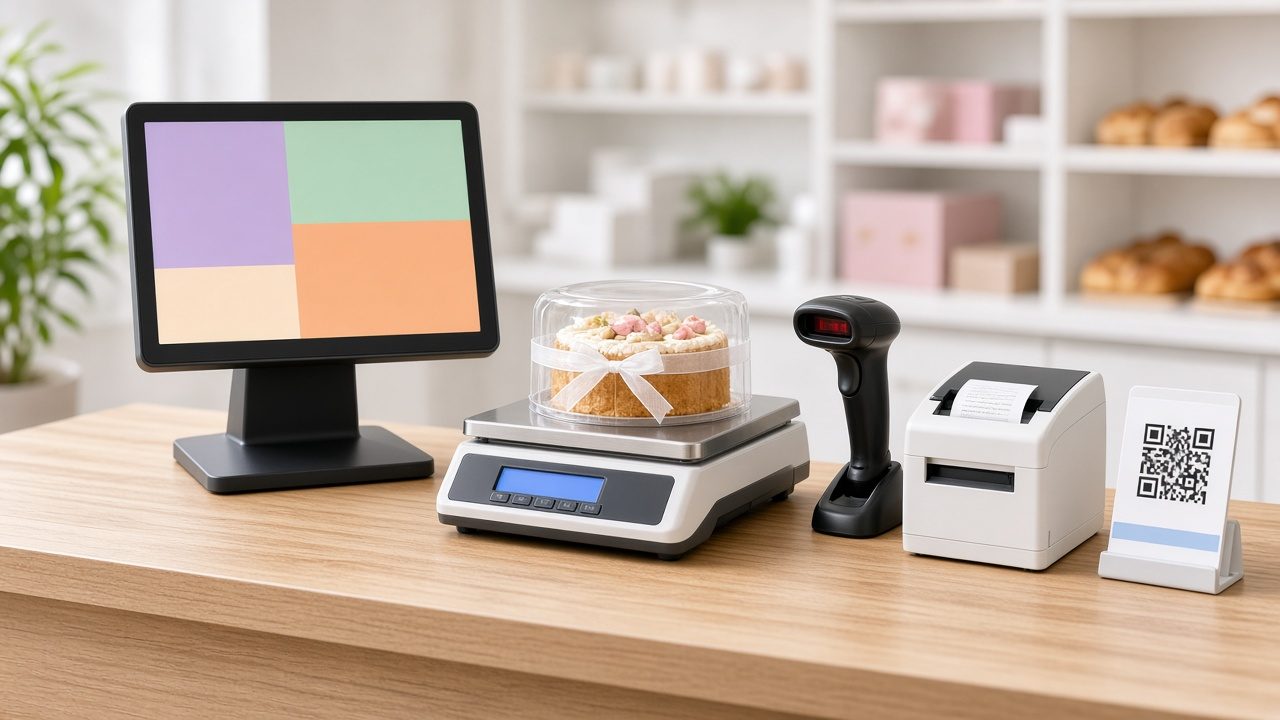
Set up billing and stock from day one
A bakery counter is fast and messy: loose items by weight, pieces, combo boxes, cake orders with advances, and a rush at tea time. Choose billing software that handles this before you open, not after the first month of confusion. Look for:
- Quick item search or shortcut buttons for top sellers, plus barcode billing for packed goods
- Weighing scale and unit-of-measure support (kg, gram, piece, box)
- GST invoices with correct tax per item
- Inventory with low-stock alerts for raw materials such as flour, sugar and cream
- UPI, card and cash payments recorded separately, so day-end cash tallies
- Item-wise and hour-wise sales reports to plan batches and cut waste
We cover bakery-specific needs in detail in bakery billing software for fast counters and weighed items, and the general checklist for small shops is in billing software for small business in India. Before you buy anything, run through our retail software demo checklist with a real bakery bill: two loose items by weight, a cake with an advance, and a UPI payment.
Caddayn Biller supports barcode billing, GST billing, units of measure, price lists, inventory with reorder alerts and UPI, card and cash payments, on Windows and as a web app. You can download Caddayn Biller and set up your item list before opening day, or see the full range on our software products page.
A 30-day launch plan
- Week 1: finalise the model, location and menu of 25 to 40 items. Apply for FSSAI and the trade licence.
- Week 2: order equipment, set up the kitchen layout and finalise suppliers for flour, fat, cream and packaging.
- Week 3: trial bakes, recipe costing, pricing and labels. Enter all items, units and tax rates in your billing software.
- Week 4: soft launch with friends and neighbours, check which items sell, train staff on the billing counter, then open fully.
If you are also thinking of adding a seating area with tea and snacks, our guide on how to start a cafe in Kerala covers the extra planning a cafe needs.
Common mistakes new bakery owners make
- Launching with too many items, which spreads production thin and raises waste.
- Treating festival sales as normal months when planning staff and cash.
- Selling loose items by guesswork instead of on a stamped scale linked to the bill.
- Not recording daily wastage, so the real margin stays unknown.
- Giving credit to institutional buyers without a written limit and due date.
Frequently asked questions
Do I need an FSSAI licence or just registration for a small bakery?
Since 1 April 2026, food businesses with turnover up to Rs 1.5 crore need FSSAI registration, and those above that need a State licence (Central above Rs 50 crore). Confirm your category and kind of business on FoSCoS before applying.
Can I start a home bakery in Kerala?
Yes, many people start by baking cakes from home. You still need FSSAI registration, and you should check with your local body whether a trade licence applies to your house. Keep the baking area clean and separate from household use.
Is a bakery business profitable in Kerala?
It can be, but profit depends on location, product mix, waste control and costing more than on demand alone. Track item-wise sales and wastage from the first week so you know which products actually make money.
Which billing software is good for a bakery?
Choose software that handles weighed items, pieces and packs together, prints GST bills fast, tracks raw material stock and shows hour-wise sales. Test it with real bakery bills during the demo before you decide.