
If your dining room looks busy but the day’s sales feel flat, the missing number is often the table turnover rate restaurant operators track every shift. Table turnover tells you how many times each table earns money in a service window. Raise it without rushing guests, and the same floor, kitchen and staff can serve more covers — especially during Kochi lunch rush or Thrissur weekend dinner.
This guide gives you the formula with a worked example (illustrative numbers), a practical way to think about QSR vs casual vs fine dining, the bottlenecks that stretch seat time (ordering, KOT delay, bill settlement), floor-plan and table-status tactics, and nine concrete ways to turn tables faster. For how seating and billing fit together in software, see our note on table management software for restaurants.
What table turnover rate means in a restaurant
Table turnover rate is how many times a table (or the whole dining room) is seated, served and cleared during a defined period — usually one meal service or one operating day. It is a floor metric, not a kitchen cost metric. Food cost percentage and menu prices matter for profit; turnover decides how many times those margins can be earned on the same chairs.
Owners sometimes confuse turnover with covers. Covers count guests. Turnover counts how often the seat itself is reused. A 40-seat casual restaurant that turns tables twice at dinner served about 80 covers from those seats; three turns means about 120 covers from the same floor.
Table turnover rate restaurant formula (with example)
Use this simple formula for one service window:
Table turnover rate = number of parties seated ÷ number of tables available
Or, if you prefer seat-based maths:
Seat turnover = covers served ÷ number of seats
Both are useful. Party-based turnover helps when tables are booked as units. Seat turnover helps when you mix 2-tops and 4-tops and want a fairer picture of floor use.
Illustrative Kochi casual-dining example
Imagine a 20-table casual restaurant in Kochi running a Friday dinner service from 7:00 pm to 11:00 pm. During that window the team seats 48 parties on those 20 tables.
- Tables available: 20
- Parties seated: 48
- Table turnover rate = 48 ÷ 20 = 2.4 turns
If those parties total 96 covers on 72 seats, seat turnover = 96 ÷ 72 = 1.33. Both numbers are made-up for teaching; your real figures come from reservation books, POS covers reports and a simple tally of tables reset.
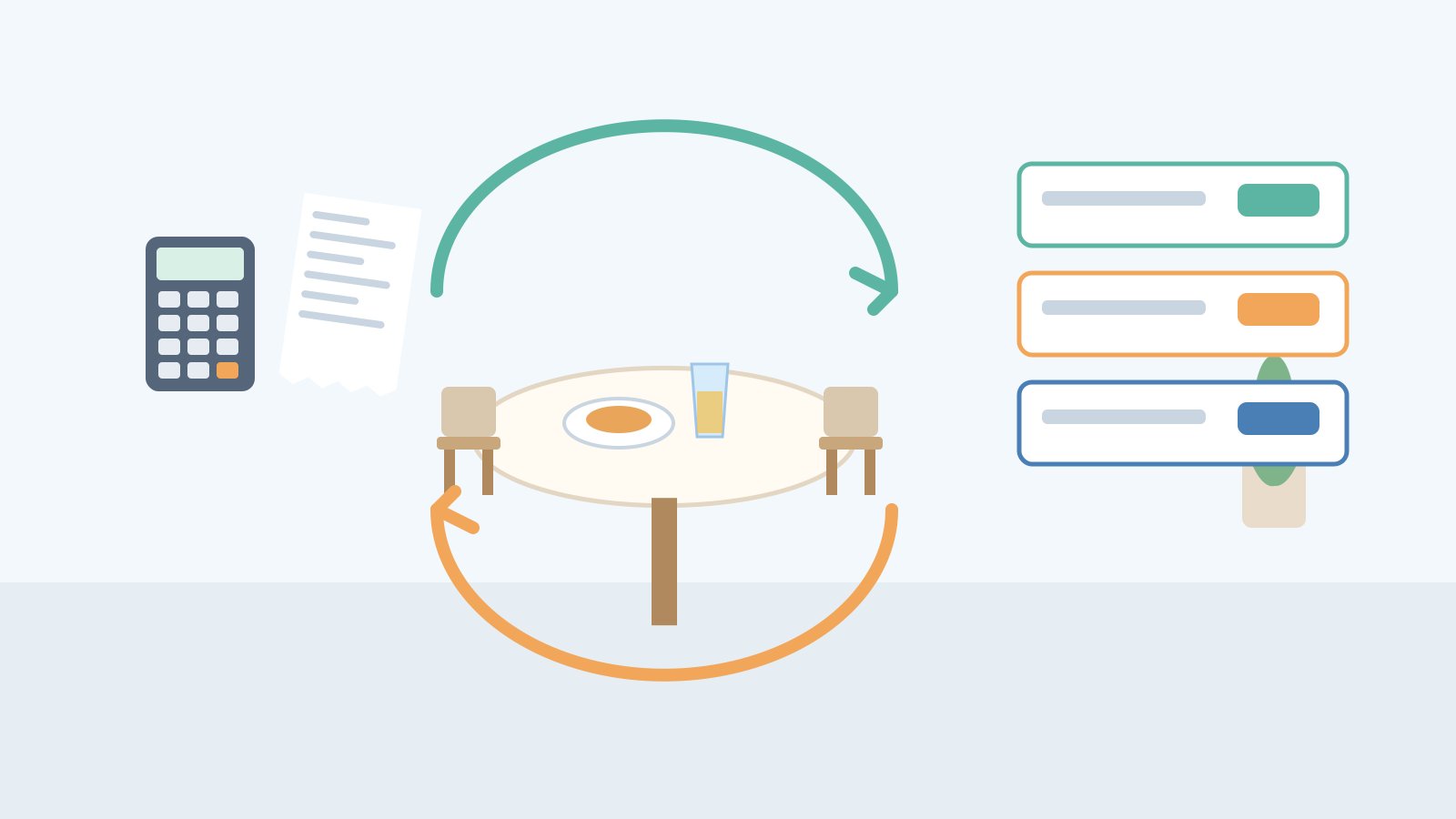
You can also reverse the maths. Average party time ≈ service hours ÷ turnover. Here, 4 hours ÷ 2.4 ≈ 100 minutes per party including seating, ordering, dining and clearing. If guests actually stay 80 minutes but your measured turnover implies 100, the missing 20 minutes is usually waiting for a free table, slow clearing, or bill delay — not guest dining time alone.
How to think about benchmarks by restaurant format
There is no single “correct” Indian industry average that every outlet should hit. Formats differ too much. Use these qualitative ranges as self-comparison guides, not published statistics:
| Format | What “healthy” usually feels like | What stretches seat time |
|---|---|---|
| QSR / quick casual | Many turns per service; short order-to-serve cycle | Counter queues, slow packing, shared seating confusion |
| Casual dining / family | About two turns on a busy dinner if the room runs smoothly | Late KOTs, dessert delay, waiting for the bill |
| Fine dining | Fewer turns; longer planned experience | Course pacing and service style (often intentional) |
Compare yourself to yesterday and to last Saturday, not to a number you saw online. A Thrissur family restaurant that moves from 1.6 to 2.0 turns on weekend dinner without guest complaints has improved capacity. A fine-dining room that forces a third turn may damage the experience you sell.
Bottlenecks that kill table turnover
Most slow turns are not “guests talking too long”. They are operational gaps between steps. Track where minutes leak.
1. Ordering delay
Menus that need long explanations, missing item availability, and servers who start taking orders only after every guest arrives all stretch the first 10–15 minutes. QR ordering or a clear “ready to order” signal helps when the team is short-staffed — but only if the kitchen can absorb the rush.
2. KOT delay
If the kitchen order ticket (KOT) sits on a pad, gets rewritten, or is shouted across the pass, fire times become uneven. Tables near the kitchen may eat while corner tables wait. A clear KOT flow — print or digital — is the backbone of even pacing. For the basics of kitchen tickets, read what is KOT in a restaurant, and for routing tickets to kitchen vs bar see our note on KOT and BOT difference.
3. Bill settlement delay
Guests often finish eating and then wait for the bill, the card machine, UPI confirmation or change. That last 8–12 minutes still occupies the table. Pre-printing the bill when plates are cleared, bringing a portable payment device to the table, and allowing split bills without a back-office scramble all protect turnover without hurrying dessert.
Floor-plan and table-status tactics
Turnover is also a layout problem. A beautiful room with a blocked aisle or no status board will seat fewer parties than a simpler room that shows which tables are free, dirty, reserved or almost done.
- Mix of 2-tops and 4-tops: Too many large tables force pairs onto 4-tops and waste seats. Keep a few flexible 2-tops that can join for groups.
- Clear sight lines to the pass: Servers who cannot see the kitchen board walk extra trips and miss ready tickets.
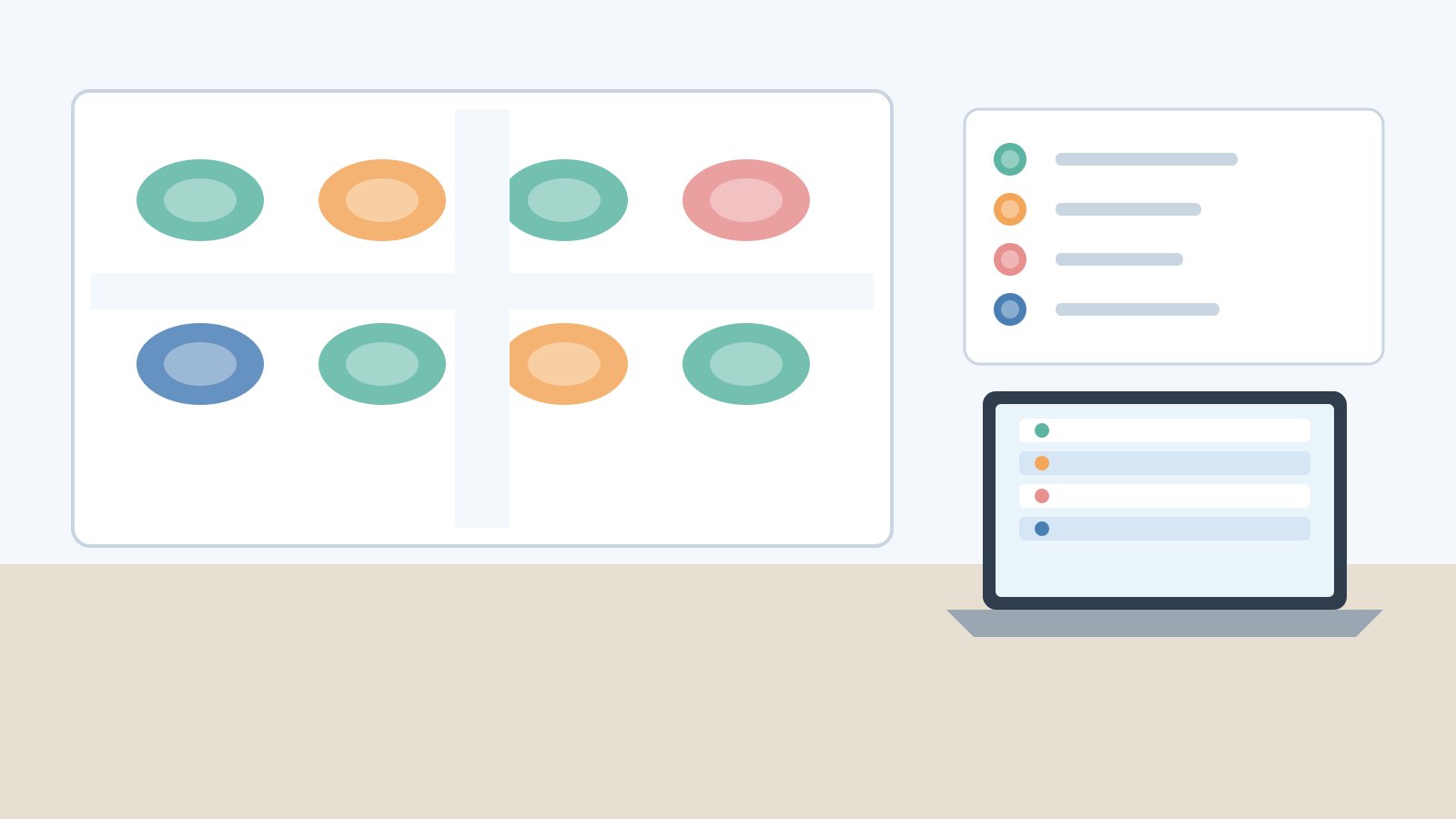
- Table status colours: Free / seated / ordered / food running / bill pending / dirty. Even a whiteboard works; POS table maps work better when the room is large.
- Host stand discipline: Seat complete parties when possible. Holding half a table for late arrivals during peak can block a full turn elsewhere.
- Reset kit near the floor: Clean linen, cutlery caddy and sanitiser within a few steps of the dining room so dirty tables do not wait for a trip to the back.
9 ways to turn tables faster (without rushing guests)
- Measure one number daily. Pick either party turnover or seat turnover for the lunch and dinner windows. Write it on a board. What gets measured gets managed.
- Time the four segments. Seat-to-order, order-to-first-plate, last-plate-to-bill-request, bill-to-reset. Fix the longest segment first.
- Tighten the menu for peak hours. A shorter peak menu (or “86” slow items early) reduces kitchen decision time and ticket errors.
- Fire KOTs the moment the order is confirmed. Do not batch handwritten tickets. Use a reliable restaurant POS with KOT printing or kitchen display so every station sees the same ticket. Our overview of restaurant POS software in India covers why KOT and table maps belong in one system.
- Stage courses intentionally. Ask the kitchen to hold dessert prep until mains are nearly cleared if dessert is the usual linger point — or offer a quick chai/coffee option that does not need a long ticket.
- Bring the bill to the table promptly. Train servers to ask “Shall I bring the bill?” when plates are cleared, not ten minutes later. Carry UPI QR and a card device so guests are not walked to a counter.
- Enable split bills without drama. Family and office groups settle faster when the POS can split by seat or amount instead of rewriting the bill by hand.
- Reset tables in under three minutes. Assign a clearer during peak. Dirty tables are invisible inventory you are not selling.
- Use a live table-status map. Hosts seat faster when they see free vs almost-done tables. Managers spot bottlenecks when too many tables sit on “bill pending”.
A simple weekly review for Kerala owners
Once a week, open last Saturday’s dinner numbers. Note covers, parties, average bill (excluding GST if you track net sales), and turnover. Ask three questions: Which segment of the meal was longest? Did any menu item create kitchen pile-ups? How many tables sat dirty for more than five minutes? Then pick one change for the next weekend — not five. Small, repeated fixes beat a big “efficiency drive” that confuses staff.
If you also track food cost and menu prices, connect the dots: higher turnover on a well-priced menu lifts daily sales more safely than discounting. For plating and pricing maths, see how to price menu items and restaurant profit margin in India.
How restaurant software supports faster turns
Paper pads and memory do not scale past a handful of tables. A restaurant billing and KOT system helps when it can:
- Map tables and show live status
- Send KOTs to kitchen (and BOT to bar when needed)
- Split bills and take UPI, card or cash at the table
- Support QR ordering for guests who are ready before a server arrives
- Keep GST billing clean on the final invoice
Caddayn Restaurant ERP / Biller is built for Indian restaurants with restaurant KOT, tables, split bills, QR ordering, GST billing, inventory low-stock and reorder alerts, multi-branch support, and UPI/card/cash payments on Windows and web. You can explore the product pages and download the app from /downloads/ when you want to try the flow on your own floor.
FAQ
What is a good table turnover rate for a casual restaurant?
There is no universal India-wide benchmark. Many busy casual rooms aim for roughly two turns on a peak dinner if the experience still feels relaxed. Track your own Saturday dinner for four weeks and improve from your baseline rather than chasing a published average.
How is table turnover different from covers?
Covers count guests. Turnover counts how often tables (or seats) are reused in a service window. You can serve more covers with the same turnover if party sizes grow, or raise turnover with the same covers if parties get smaller — so report both.
Does faster turnover mean rushing guests?
No. The goal is to remove idle waits — late KOTs, missing cutlery, bill delay — not to cut dining time. Guests usually dislike waiting for food or the bill more than they dislike a prompt, polite checkout.
Can QR ordering improve table turnover?
It can, when guests are ready to order and the kitchen can handle the spike. Pair QR ordering with clear 86 lists and a working KOT system so tickets do not overwhelm the pass.
Which number should I put on the manager board?
Start with parties seated ÷ tables for each meal service, plus the longest measured segment (often bill-to-reset or order-to-first-plate). Review weekly with the chef and floor captain together.
This article is for operational education. Illustrative figures are labelled as examples and are not industry statistics or performance guarantees.