
If you run a supermarket or a large kirana store, you have probably heard someone say “grocery is a thin-margin business”. That is true, but it hides the useful part. Supermarket profit margin in India is not one number. It is a blend of very different margins on rice and atta, on biscuits and soaps, on vegetables, and on your own packed products. Owners who understand that mix can raise profit without raising a single price, simply by changing what they promote, how they buy and where they stop losses.
This guide explains how gross and net margin work in an Indian supermarket, how margins usually behave across the main categories, a worked example you can copy for your own store, and the reports that show you where margin is quietly leaking away.
Gross margin, net margin and markup: get the terms right first
Many shop owners mix up these three ideas, and that leads to wrong pricing decisions. Here is the simple version.
Gross margin
Gross margin is what you keep from a sale after paying for the goods. If you sell a 1 kg pack for ₹100 (net of GST) and it cost you ₹85 (net of input GST and after any scheme discount), your gross profit is ₹15 and your gross margin is 15 ÷ 100 = 15%.
Markup
Markup is calculated on cost, not on the selling price. The same product has a markup of 15 ÷ 85 = about 17.6%. A common mistake is to “add 15% to cost” and believe you are earning a 15% margin. You are actually earning about 13%. On thousands of items, that gap matters.
Net margin
Net margin is what is left after every running cost: rent, salaries, electricity (refrigeration alone is a big bill), packing material, card and UPI charges if any, loan interest, wastage and shrinkage. A store can show a healthy gross margin and still have a thin net margin if rent is high or the fresh section is throwing away stock every day.
One more India-specific point: always calculate margin on the value without GST. GST you collect is not your income, and the input tax credit you claim is not a discount. Mixing tax into margin calculations makes high-GST items look more profitable than they are. If you need a refresher on how tax is built into an inclusive price, see our guide on how to calculate GST from the total amount.
Supermarket profit margin in India by category
Every store’s numbers are different, and they depend on your location, your suppliers, the schemes you get and how much you buy at a time. Instead of quoting industry percentages that may not apply to you, here is how each category typically behaves, so you know what to look for in your own billing data.
Staples (rice, atta, dal, sugar, oil)
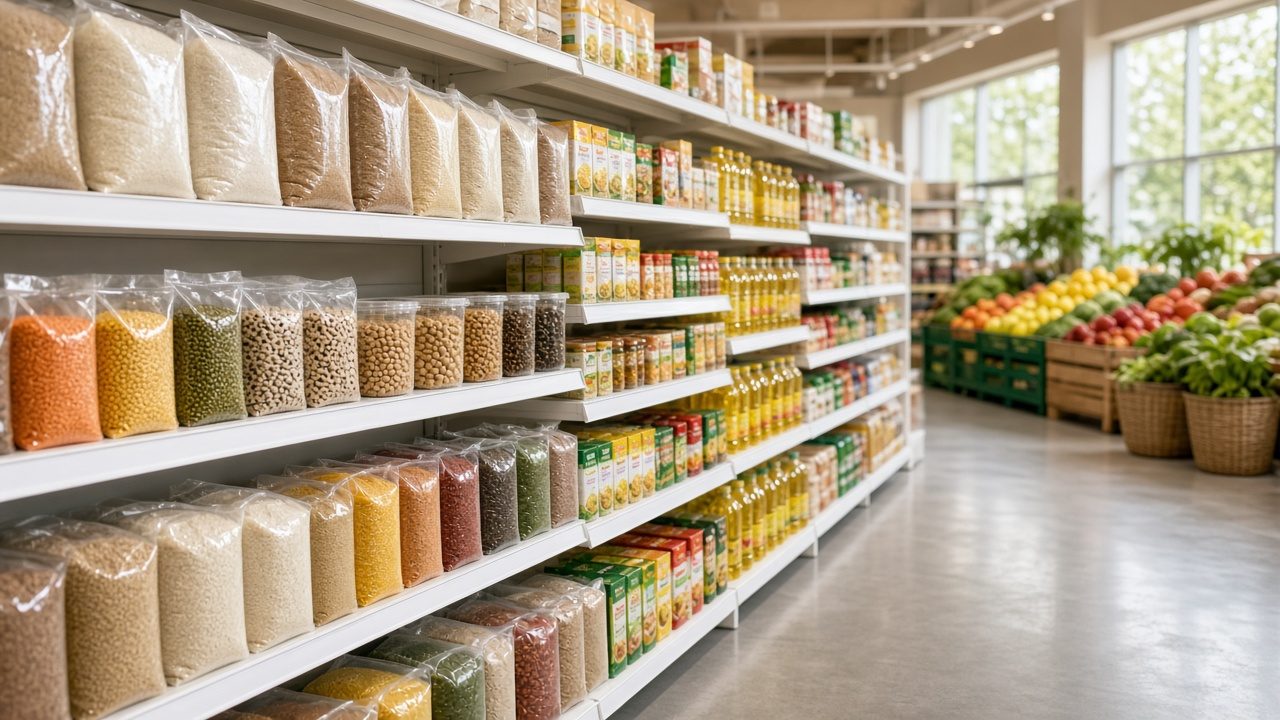
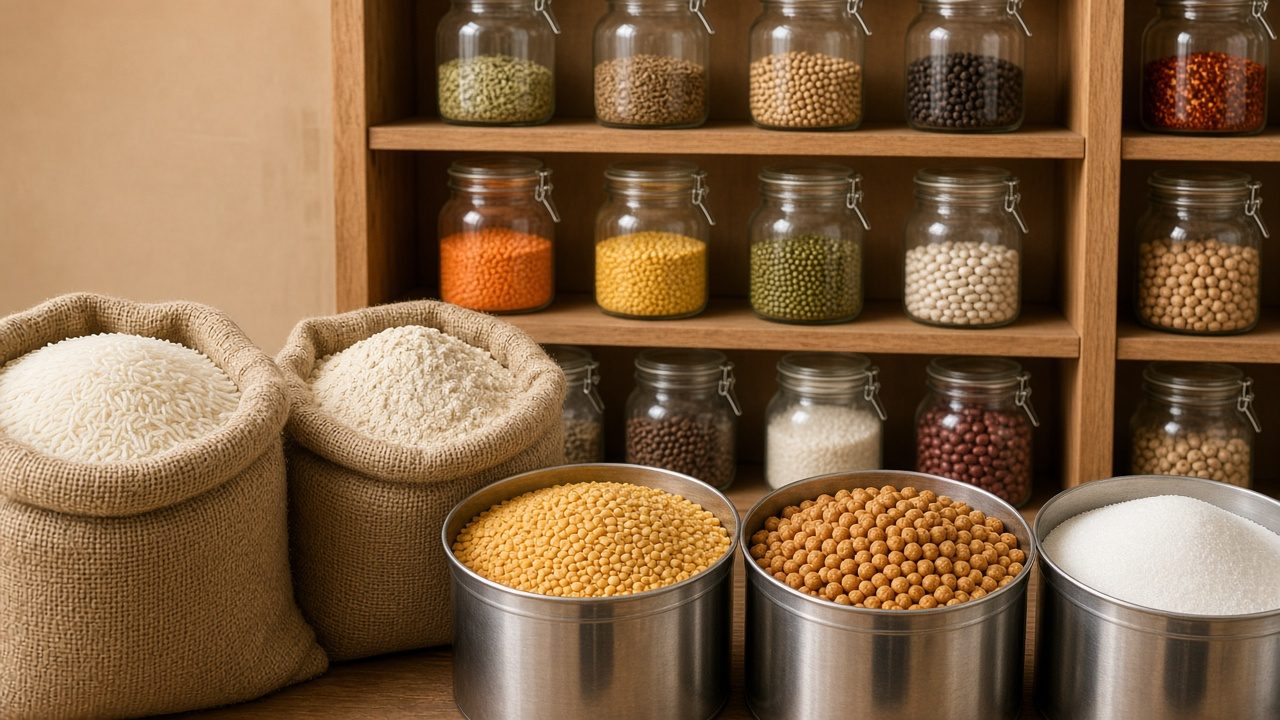
These are the traffic builders. Customers know the price of a 5 kg rice bag or a litre of sunflower oil, and they compare it across shops. Margins here are usually the thinnest in the store, and they move with commodity prices. The real profit in staples comes from volume, from buying well when prices dip, and from loose-to-packed repacking where you are allowed to do it under Legal Metrology rules. Staples are rarely where you make your money, but they are why customers walk in.
Packaged FMCG (biscuits, snacks, soaps, detergents, beverages)
Branded packaged goods carry a printed MRP, and you cannot sell above it. Your margin is the gap between MRP and the distributor’s price, plus any trade schemes, display incentives or quantity discounts. That gap is fixed by the brand, so the levers you control are: claiming every scheme you are entitled to, avoiding expiry losses, and not giving away extra discount just to match a neighbouring shop. Personal care and home care items often give a better gap than food staples, which is why many supermarkets give them prime shelf space.
Fresh fruits and vegetables
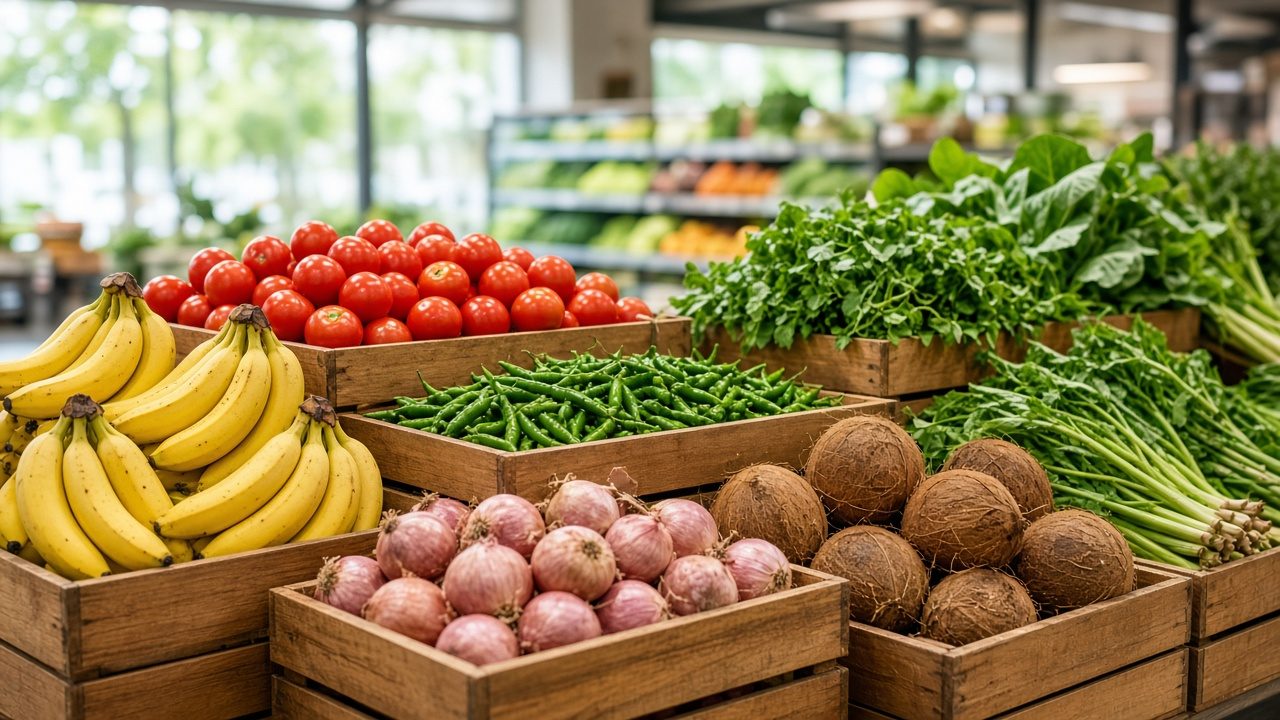
Fresh produce can show attractive gross margins on paper, because you set your own price daily. But it also has the highest wastage, weight loss and handling cost. A tomato that is bought at a good price and thrown away on day three has a margin of minus 100%. The fresh section only pays if you track wastage honestly and adjust buying quantities based on what actually sold, not on what you hope will sell.
Dairy, bakery and frozen
Milk is often a low-margin, high-frequency item that brings customers in daily. Bakery and frozen items can earn more, but they need cold-chain discipline and close watching of short shelf life. Returns policies with suppliers make a big difference here, so read your supplier terms carefully.
Private label and loose packed goods
Your own packed spices, dry fruits, pulses or snacks, sold under your store name, usually give the widest margin in the store because there is no brand premium in your cost. The trade-off is quality control, packing labour, FSSAI compliance and the trust you need to build. Many Kerala supermarkets do well with house-packed items like rice varieties, spice powders and banana chips because customers already trust the store more than an unknown brand.
A worked example: blended margin for one month
The numbers below are an illustrative example for a mid-sized store, not industry data. Replace them with your own figures from your billing software.
| Category | Sales (ex-GST) | Cost of goods | Gross profit | Gross margin |
|---|---|---|---|---|
| Staples | ₹8,00,000 | ₹7,40,000 | ₹60,000 | 7.5% |
| Packaged FMCG | ₹6,00,000 | ₹5,16,000 | ₹84,000 | 14% |
| Fresh produce | ₹2,00,000 | ₹1,50,000 | ₹50,000 | 25% |
| Private label | ₹1,00,000 | ₹70,000 | ₹30,000 | 30% |
| Total | ₹17,00,000 | ₹14,76,000 | ₹2,24,000 | 13.2% |
Now subtract wastage in fresh produce. If ₹30,000 of vegetables were thrown away, the fresh section’s real gross profit drops from ₹50,000 to ₹20,000, and the store’s blended margin falls to about 11.4%. Then subtract monthly expenses, say ₹1,60,000 for rent, salaries and power, and the net profit is about ₹34,000, or roughly 2% of sales.
Two lessons come out of this simple table. First, staples bring the most sales but the least margin, so a small change in how you buy them affects the whole store. Second, moving even ₹50,000 of monthly sales from staples to private label or better-margin FMCG raises profit far more than cutting a few hundred rupees of expenses.
Where supermarket margins leak (and how to spot it)
Most margin loss in a supermarket is not visible on the counter. It shows up only when you compare what you bought, what you sold and what is left. These are the most common leaks.
1. Purchase price creep
A distributor raises the price by a rupee or two and nobody updates the selling price, or a scheme quietly stops. Compare the last three purchase rates for your top 200 items every month.
2. Wrong or outdated selling prices
Shelf price, system price and MRP do not match. The cashier sells at the old lower price, or a customer complaint leads to a manual discount. Barcode billing with a single price master removes most of this.
3. Unrecorded wastage and expiry
Expired biscuits, broken eggs, spoiled vegetables and damaged packs that are thrown away without being entered in the system. Your stock report then shows goods that do not exist, and your margin looks better than it is until the year-end stock count.
4. Shrinkage and billing errors
Items that leave the store without being billed, through theft, mistakes, or “I will pay tomorrow” without a credit entry. Regular cycle counts of high-value items like dry fruits, oil and cosmetics catch this early.
5. Dead stock
Money tied up in slow-moving items earns nothing and often ends up being cleared at a loss. Our guide to dead stock management in retail explains how to find and fix it.
Reports that show your real margin
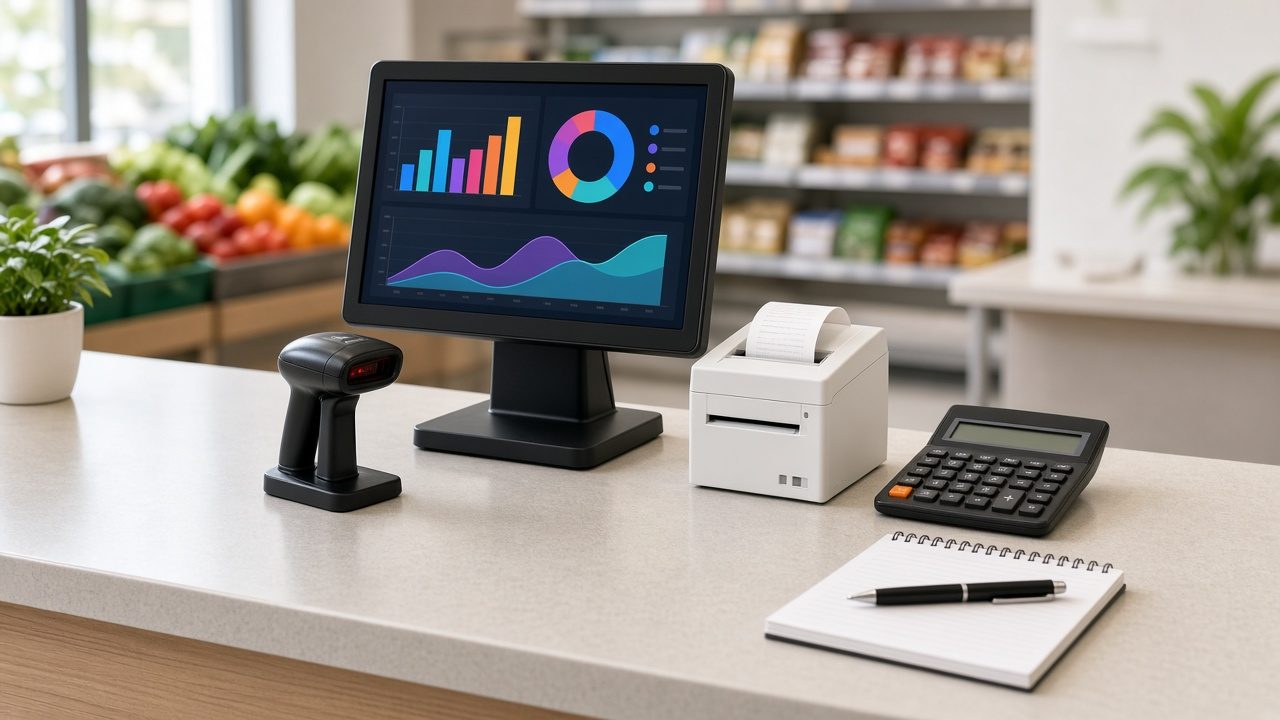
You do not need an accountant every week to understand your margin. Good supermarket billing software can give you these reports from the bills you are already making:
- Item-wise and category-wise profit report: sales, cost and gross margin for each item and department, so you can see the real mix, like the table above.
- Purchase rate comparison: the latest cost against the previous cost for each item, to catch price creep.
- Stock movement and low-stock report: fast and slow movers, with reorder alerts so you buy what sells and stop overstocking what does not.
- Stock adjustment and wastage report: every damaged, expired or spoiled item entered with a reason, so wastage is a number you manage, not a surprise.
- Discount and price change report: who gave which discount, and which prices were edited at the counter.
Smaller grocery shops can start with the same habits on a simpler setup. See our guide to kirana billing software in India for a lighter version of these controls.
Practical steps to improve your supermarket margin
- Calculate margin, not markup. Set selling prices from your target margin: selling price = cost ÷ (1 − target margin). For a 12% margin on an item costing ₹88, that is 88 ÷ 0.88 = ₹100.
- Review your top 200 items monthly. They usually make up most of your sales. Check their purchase rate, selling price and margin.
- Give prime shelf space to better-margin items. Eye-level shelves and checkout counters should earn their place.
- Enter every piece of wastage. Make it a daily closing routine for the fresh section.
- Buy fresh produce to sales data. Use the last few days’ sales of each vegetable to decide tomorrow’s purchase.
- Grow your private label carefully. Start with two or three products your customers already trust you for.
- Use loyalty to reward visits, not discounts. Points on total spend keep customers coming back without cutting margin on every bill. Our article on how to increase your supermarket sales has more ideas.
How Caddayn Biller helps you protect margin
Caddayn Biller and the Caddayn Supermarket ERP are built for Indian stores: barcode and GST billing from one price master, inventory with low-stock and reorder alerts, multi-branch stock, units of measure for loose and packed goods, price lists, and loyalty and customer management. It runs as a Windows app and a web app, and accepts UPI, card and cash. If you want to see your own item-wise margin instead of guessing it, download Caddayn Biller and try it with your store’s data.
Frequently asked questions
What is a good profit margin for a supermarket in India?
There is no single right number, because it depends on your category mix, rent and location. Instead of comparing with a figure you read somewhere, track your own gross margin by category every month and work to improve the trend. A store heavy on staples will naturally show a lower blended margin than one with a strong fresh and private label section.
Should I calculate margin on MRP or on my selling price?
Calculate it on your actual selling price, without GST. If you sell below MRP, your margin is lower than the printed MRP suggests.
Why does my profit look fine in the software but low in the bank?
Usually because wastage, expiry and shrinkage are not entered, purchase costs are outdated in the system, or credit sales are not collected. A physical stock count against the system stock will show the gap.
Which category gives the highest margin in a grocery store?
In most stores, private label and house-packed items, and often fresh produce before wastage, give a higher gross margin than staples and branded FMCG. Check your own item-wise profit report to confirm this for your store.
Does GST affect my profit margin?
GST should not change your margin if you calculate it correctly, because output GST is paid to the government and input tax credit offsets the GST on purchases. The CBIC GST rate schedule lists rates by item. Always exclude GST from both sales and cost before calculating margin.